
The walls, floors and legacy structures of nuclear facilities become contaminated over decades of operation. Effective decommissioning demands tools that can remove concrete, hard heel and encapsulated waste safely without spreading contamination or placing operators at risk.
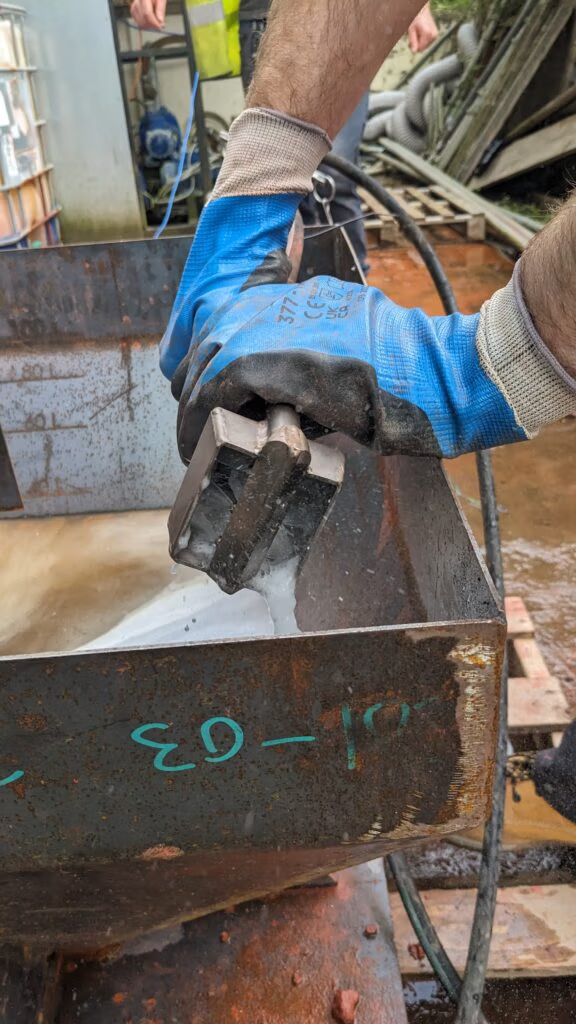
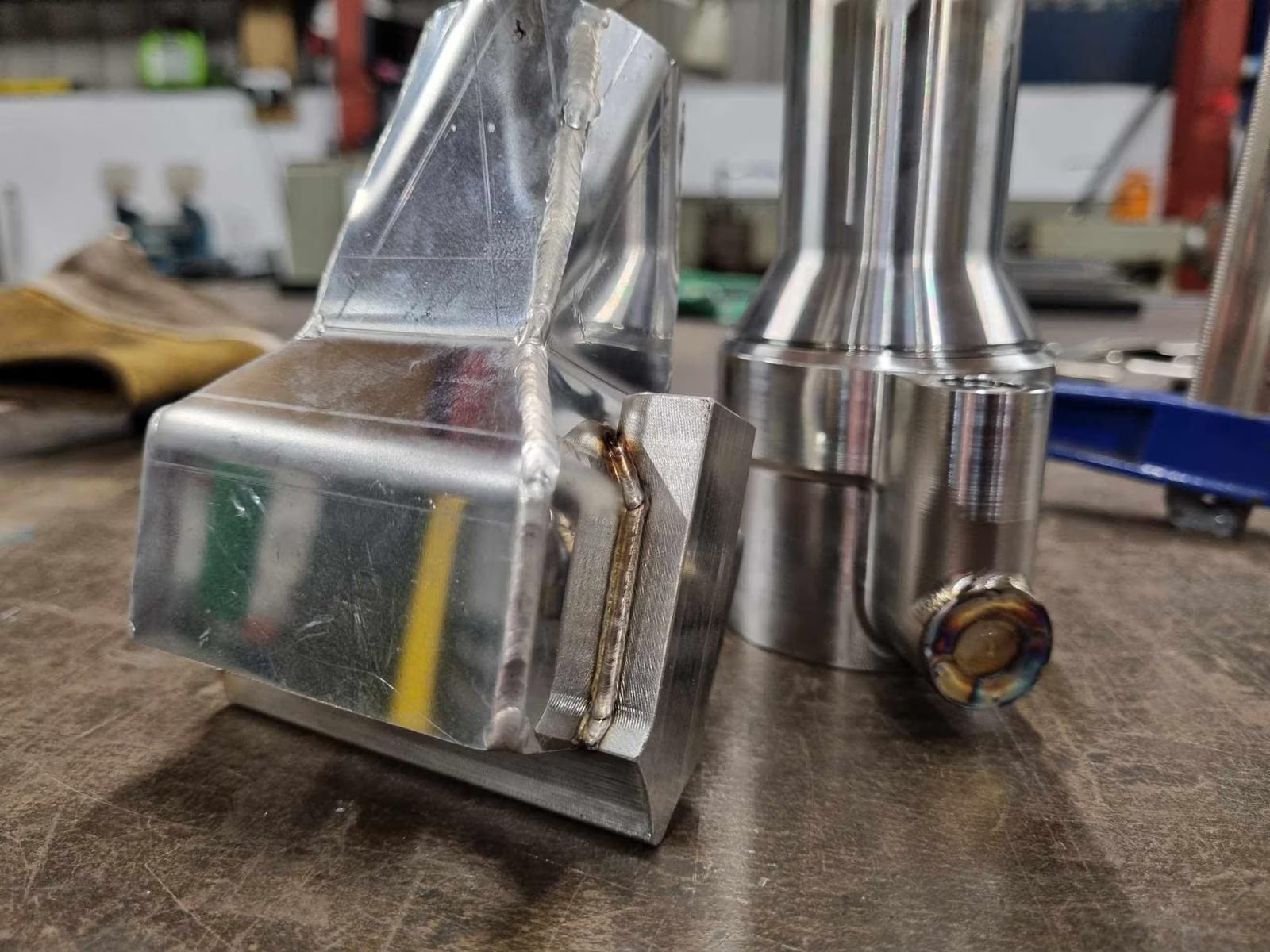
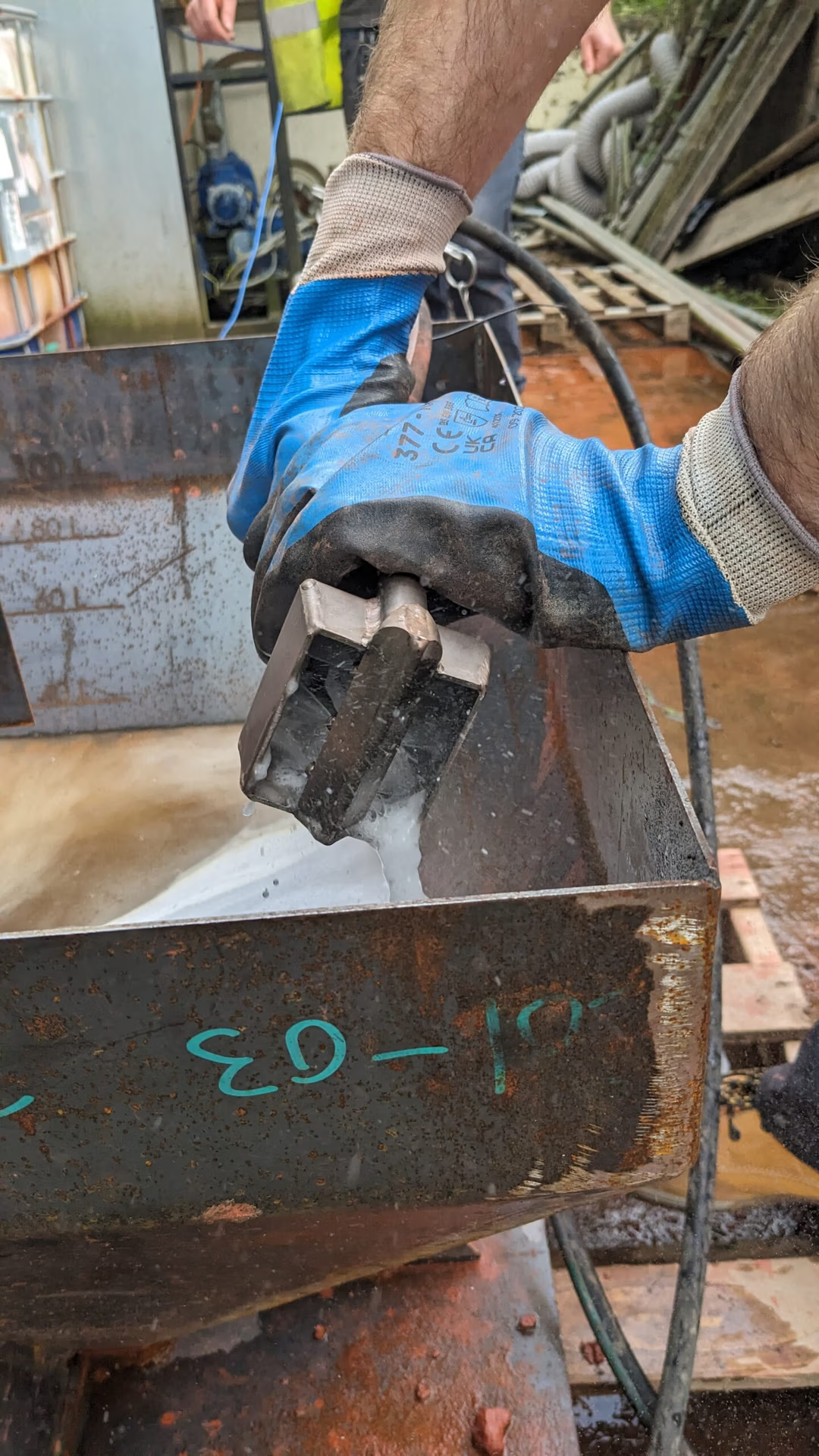
Barrnon’s Scabbler addresses this requirement by deploying a proven Rotocutter module engineered for wall and floor decontamination. The Rotocutter exploits a mechanically driven cutting chain to break up and remove hard waste, including high-strength concrete (e.g. C35), dry hard heel and bitumen-encased materials. Waste can be vacuum-conveyed, fluidised or pumped into the appropriate waste stream.
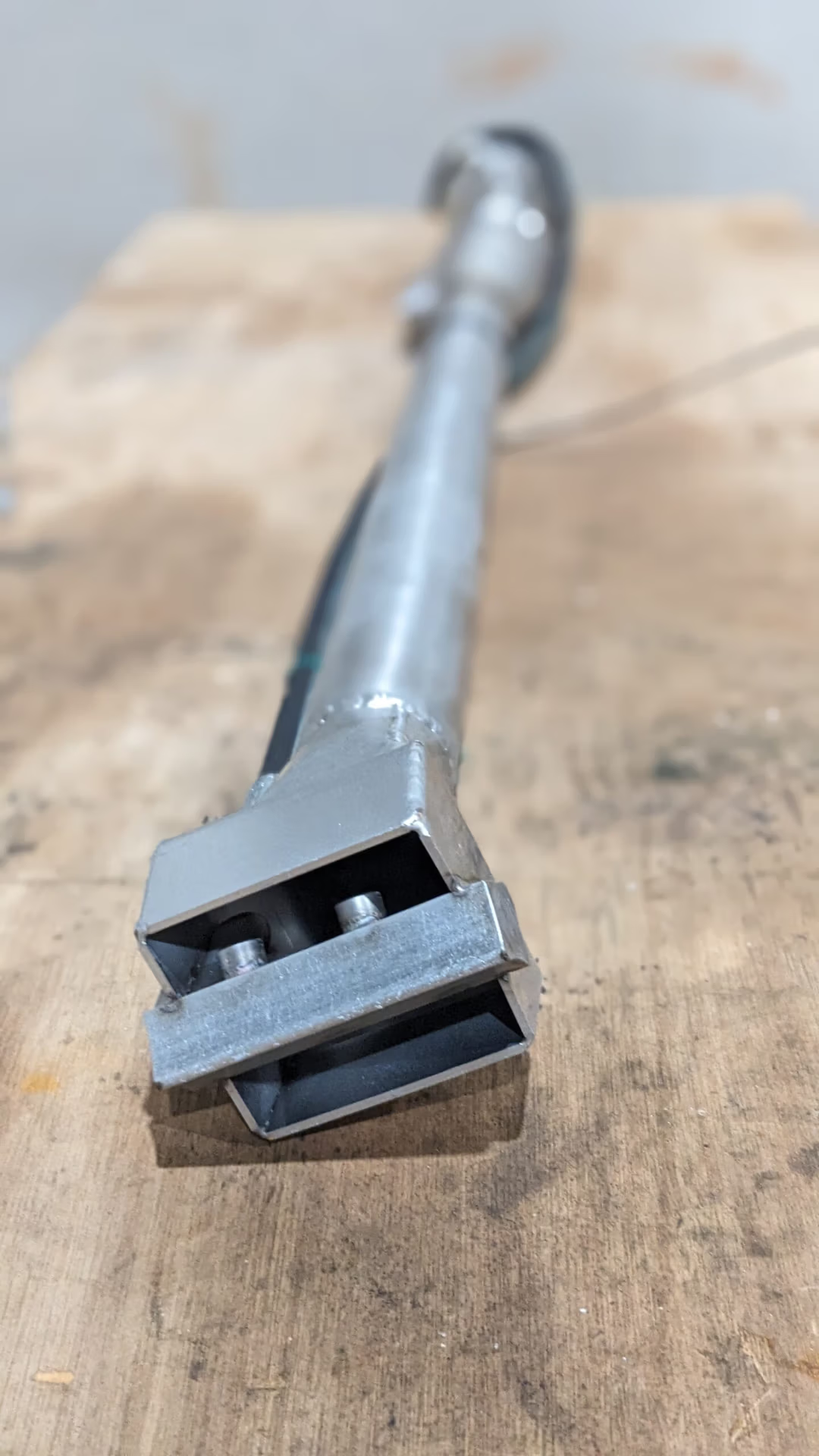
The wall-mounted variant can remove up to 50 mm of concrete in a single pass with near-100% dust suppression. A purpose-designed suppression collar captures particulates at the point of generation, preventing contaminated dust from coating surrounding surfaces or exposing operators. The Scabbler has been successfully deployed at NRS Dounreay, demonstrating robust performance in a live nuclear environment.
Key performance characteristics:
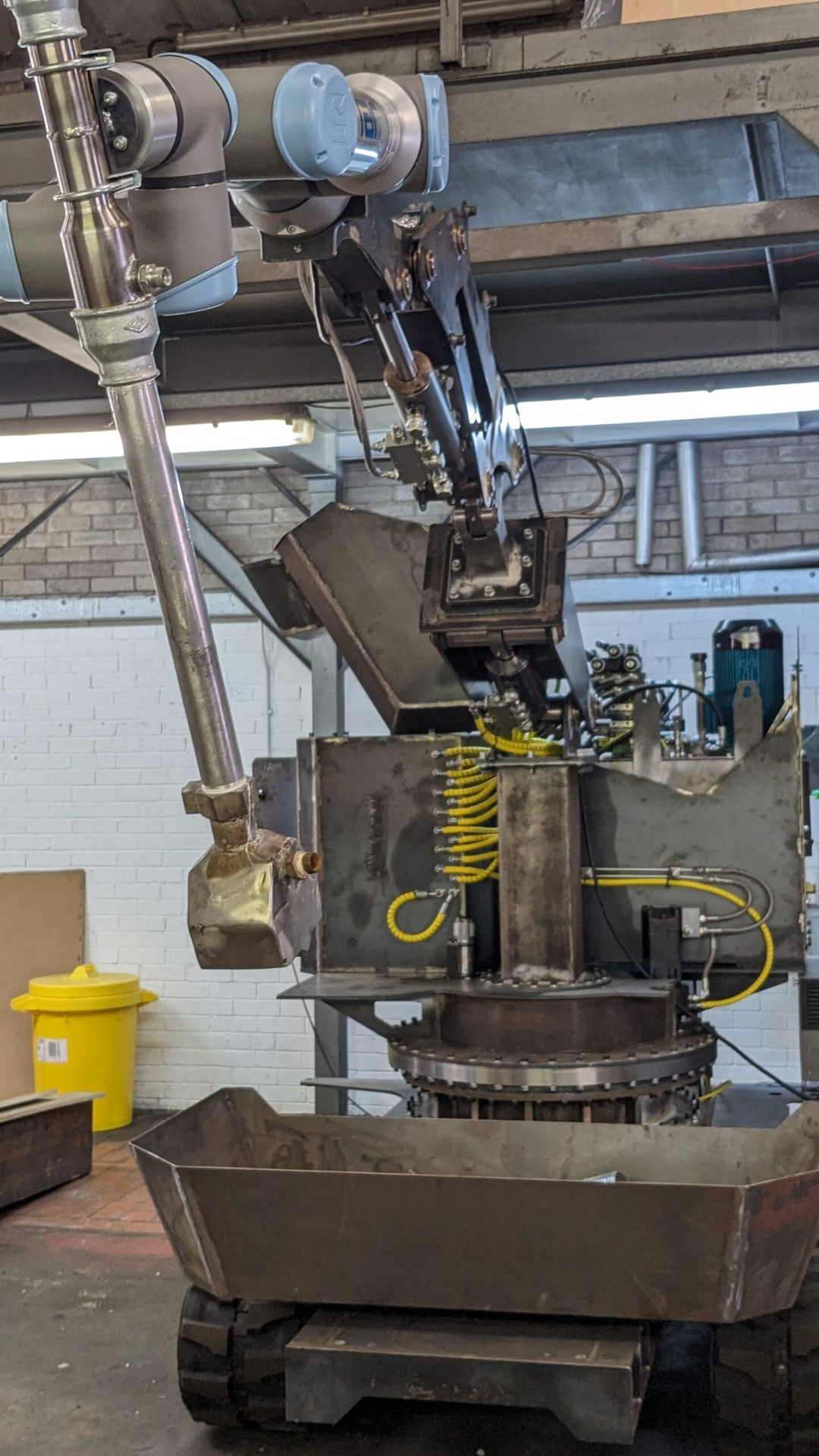
The Scabbler forms part of the B-IDP™ product architecture. A standard BBX-series base platform (the 6.6-tonne variant), a standard electro-hydraulic boom, the Scabbler head, and Barrnon’s unified control system combine to create a fully productised concrete-removal system exploiting interfaces common across the entire Barrnon portfolio.
For efficient, low-impact removal of concrete and hard waste from walls or floors, speak to Barrnon about our rotocutting solutions.